
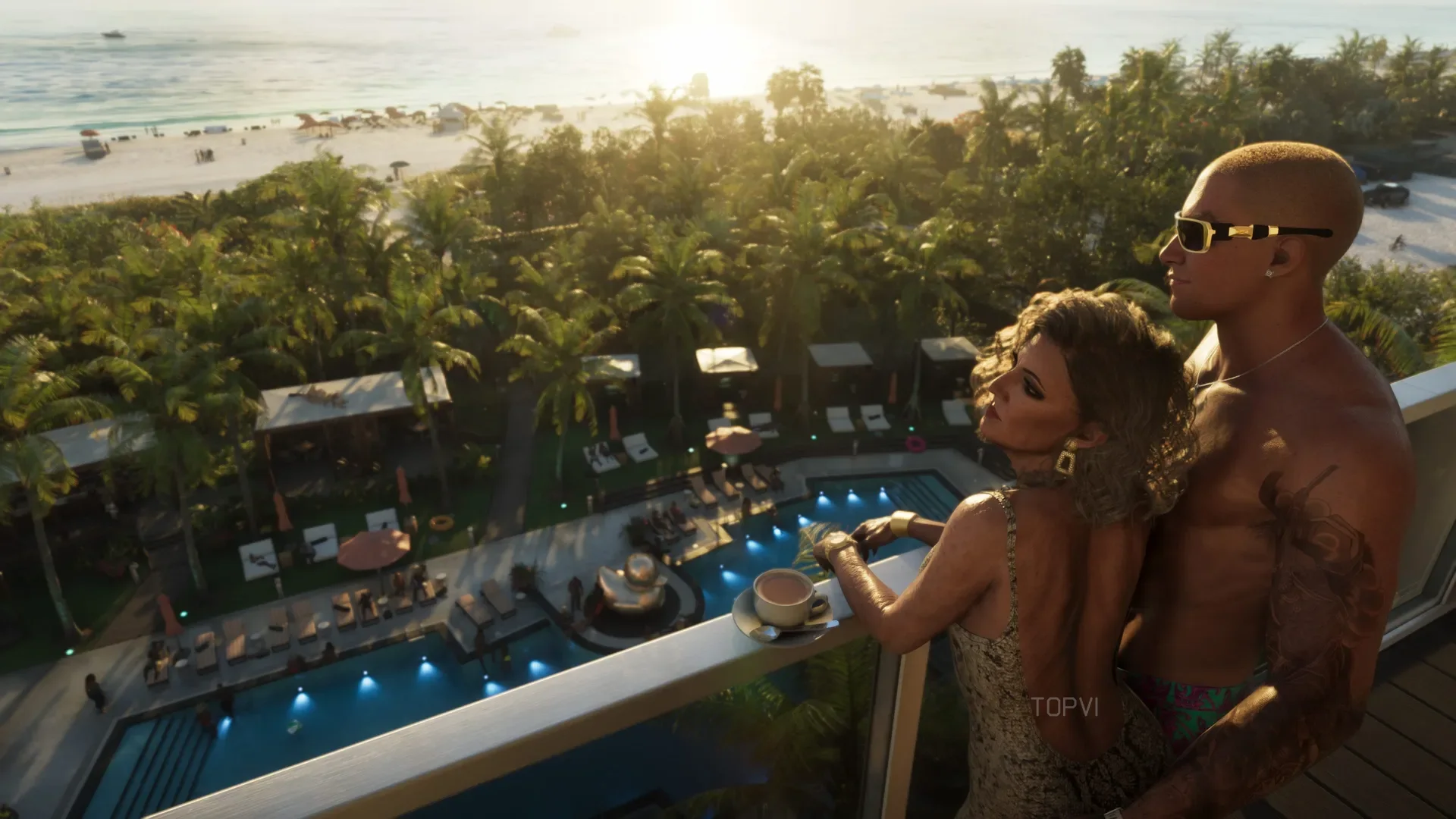
Ziwen Xu launched an ai GTA 6 clone project with AI agents in summer 2026. Daily updates tracked additions of characters and driving systems while the goal stayed completion before November 19. Early tests required an engine switch after the initial build proved too limited for the planned scale.
Ziwen Xu started the project in June 2026 with basic shapes inside an early engine which received daily updates from the agents. The team switched from Godot to Unreal after community feedback arrived in the first weeks while the menu began to boot like a full release. Work on characters and driving systems advanced without pause through the entire summer period.
Ziwen Xu pointed a stack of AI agents at blank terrain in June 2026 which produced a blue oval then a character on the first day. Daily posts showed NPCs cars and a working menu appear while the goal stayed completion before the November 19 release. The early engine switch to Unreal followed community advice and changed what players could test in each update.
Direct copies of GTA elements created legal risks during the summer which forced an internal review in August 2026. The original build was deleted after that review while development restarted under the new name CALI with fresh characters and locations. IP concerns placed the project in hot water months after the June start so every reference to the source material disappeared at once.
The listed steps show the rapid shift from initial prototype to complete reset. The timeline kept every later change focused on original content after removal of the first version.
IP concerns forced the full rebuild in August 2026 after the original build was removed during review. Development restarted under the new title CALI which used only original characters and locations from that point forward. Players now see a project that avoids every direct reference to the source material while the timeline keeps later changes focused on new content.
Generated buildings placed Los Angeles towers into a Florida setting which appeared once the world expanded beyond the first tests. Frame rates dropped to one frame per second after the scale increased while an extra AI tool tried to restore performance but did not fully succeed. The agents lacked the creativity needed to build a Vice City skyline that matched the Miami goal.
These outcomes show the current ceiling for solo AI development on large projects. Placement errors and performance drops remained after repeated attempts to fix them.
The agents built a skyline of Los Angeles skyscrapers when the goal was a Florida setting which exposed the lack of creative decision making. Frame rate fell to one frame per second once the world grew larger while an added AI tool failed to restore full performance. Players therefore face the same placement errors and speed limits that ended the solo agent loop.
Rockstar spent 13 years on the title with a dedicated studio in Los Angeles which produced more than 600000 unique NPC animations. More than 50 street artists created murals while race car drivers tuned vehicle handling during the same period. The studio art-directed every pedestrian by hand so the final open world reached a level no agent loop has matched.
| Approach | Time Spent | Key Output | Result |
|---|---|---|---|
| AI agent loop | Months | Prototype scenes | Rebuilt as original |
| Rockstar team | 13 years | Full open world | Historic marketing run |
The table shows the difference in output between the two approaches. Human teams delivered scale and consistency that current AI loops have not matched.
The AI version remains an experiment only which lets players compare prototype scenes with the finished title once released. The gap in scope stays clear after the summer work ended while CALI continues as an original project with its own world. Human teams alone delivered the handcrafted scale that Rockstar required for GTA 6.
Sources: Rockstar Games (official). More in our rumors and leaks section. Related: GTA 6 Leaks Display Clips from Vice City. Related: Netflix Debuts GTA VI Extended Look After Leaks.
Ziwen Xu began the AI project in June 2026 with basic shapes. The start used an early engine before daily updates added characters and driving systems through the summer months. The work aimed at a full prototype ahead of the November 19 2026 release date.
Godot served as the first engine before a switch to Unreal. The change improved visuals and menu support while community feedback prompted the move during the early weeks of development. Later work moved to Unreal for further scale after the initial build proved too limited.
IP concerns forced a full rebuild in August 2026. The original build was removed after review and development restarted under the new title CALI with fresh characters and locations. All direct references to the source material were deleted at that point.
AI generated Los Angeles towers for a Florida goal. The mismatch appeared once the world expanded and later fixes did not resolve the placement issues. The error showed limits in creative decision making by the agents.
Ziwen Xu plans to buy a PS5 to play the finished GTA 6. The AI version stays an experiment only while the real title remains the target for final play. The announcement followed months of prototype testing on the agent loop.
 TOPVI
TOPVI